01Case study
Konos: from drone payload to shipping product
Taking a working prototype into production across three generations of a microphone system, through tooling, re-sourcing and the semiconductor shortage.
- Role
- Mechanical design, productisation, supply chain, control app
- Dates
- 2019–2026
- Status
- Shipping
- Disciplines
- Mechanical design · DFM · Production · Supply chain · App development
- Processes
- CNC · Extrusion · Injection moulding · Membrane keypads · Kotlin Multiplatform
Problem
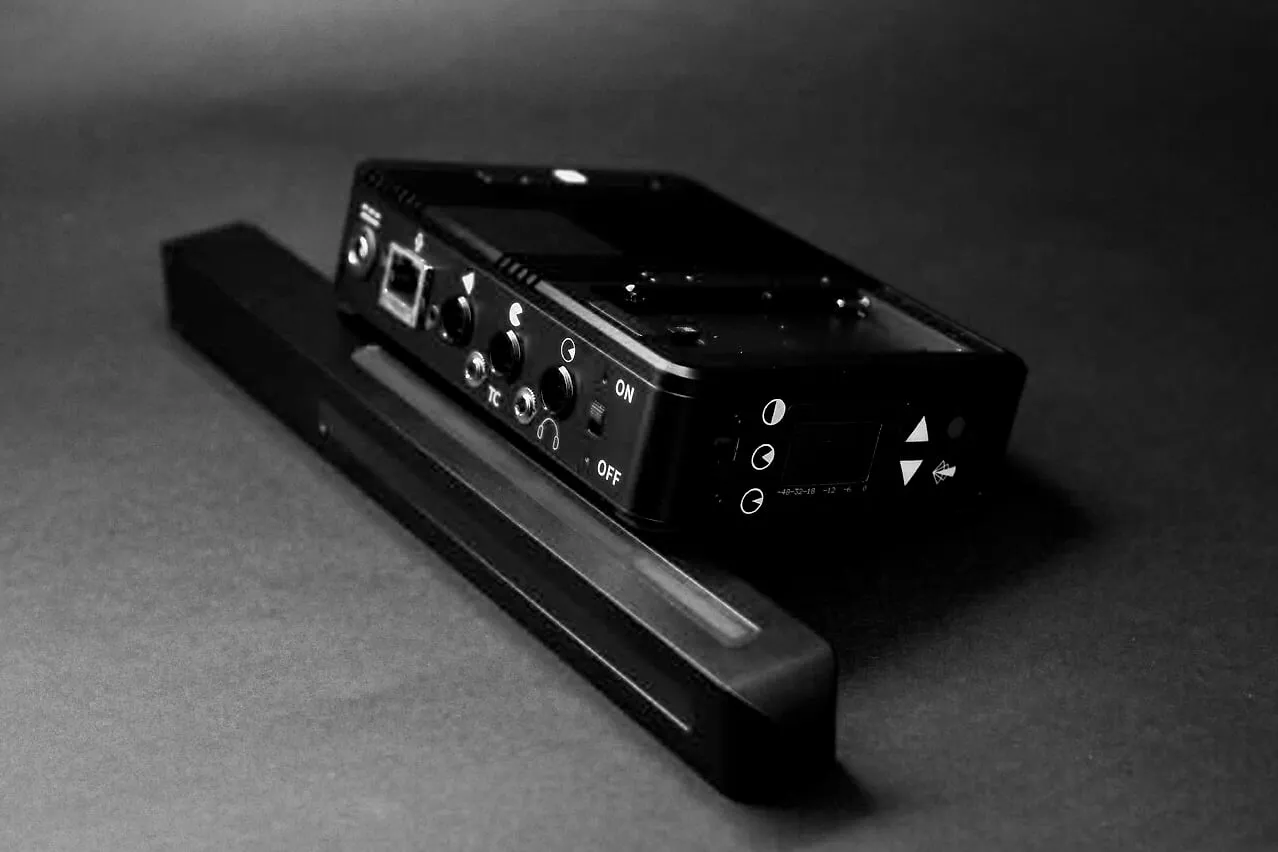
Konos began as something else. To capture usable audio from a drone we had to build a microphone good enough to separate a target from rotor noise using multiple pickup patterns. Once that existed, it turned out to be a very good microphone with the drone removed.
The first prototype was exactly that: the drone payload, an off-the-shelf I2S-to-XLR adapter, and an enclosure. We put it in front of customers to find out whether the idea held on the ground. It did. Turning that into a product took three generations.
Constraints
- A signal chain designed for an airborne payload, repurposed for a product used on the ground
- Low volume, so tooling amortisation was the binding constraint on every mechanical decision
- The 2020–2022 semiconductor shortage, spanning almost the entire development window
- Each generation had to ship while the next was in design
Decisions
The through-line is integration. Every generation removed a box, and the power supply tells it fastest: four cells taped to a lid in 2019, an external supply on Konos 1, a clip-on battery in a designed bay by 2023.
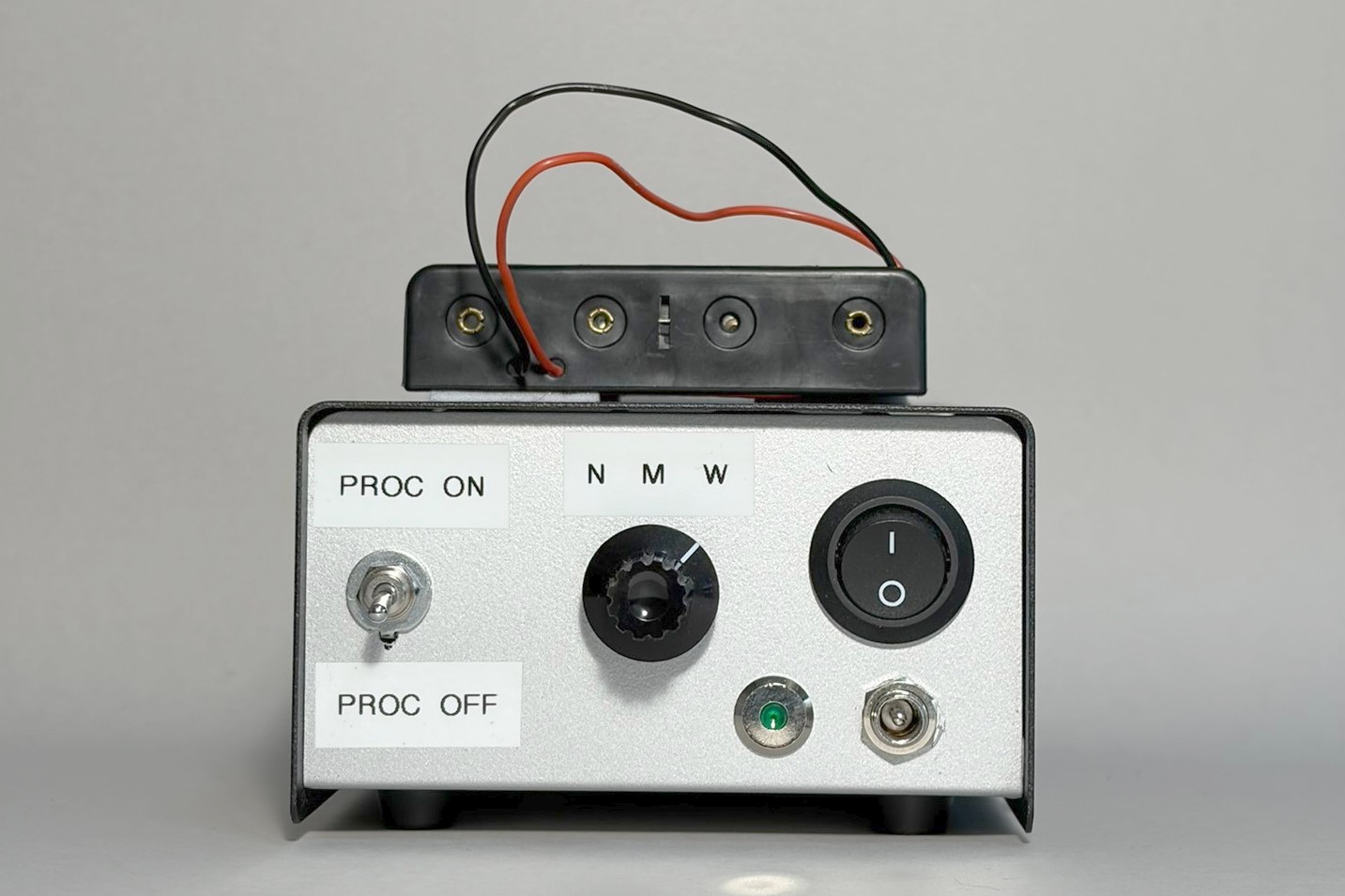
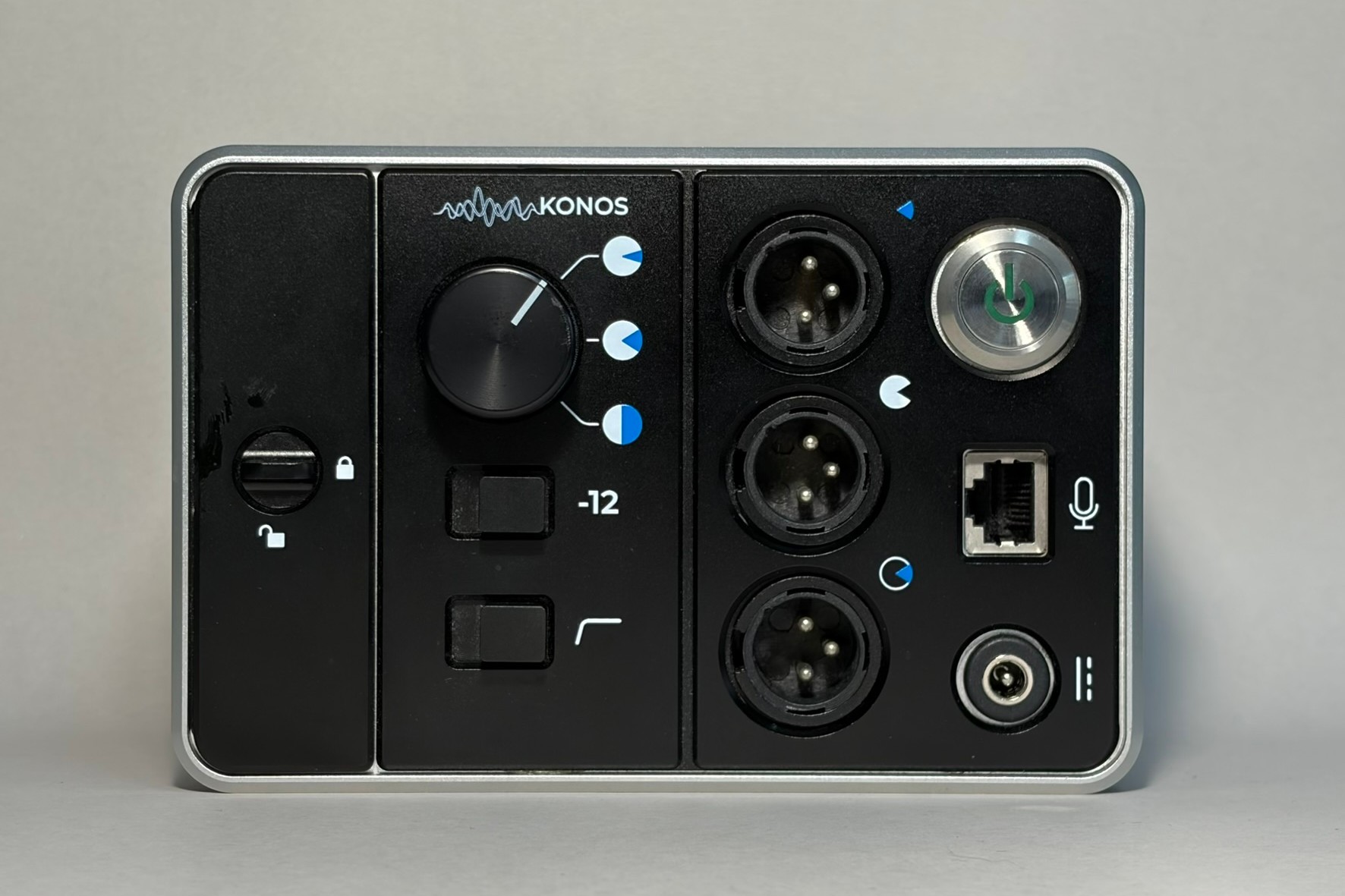
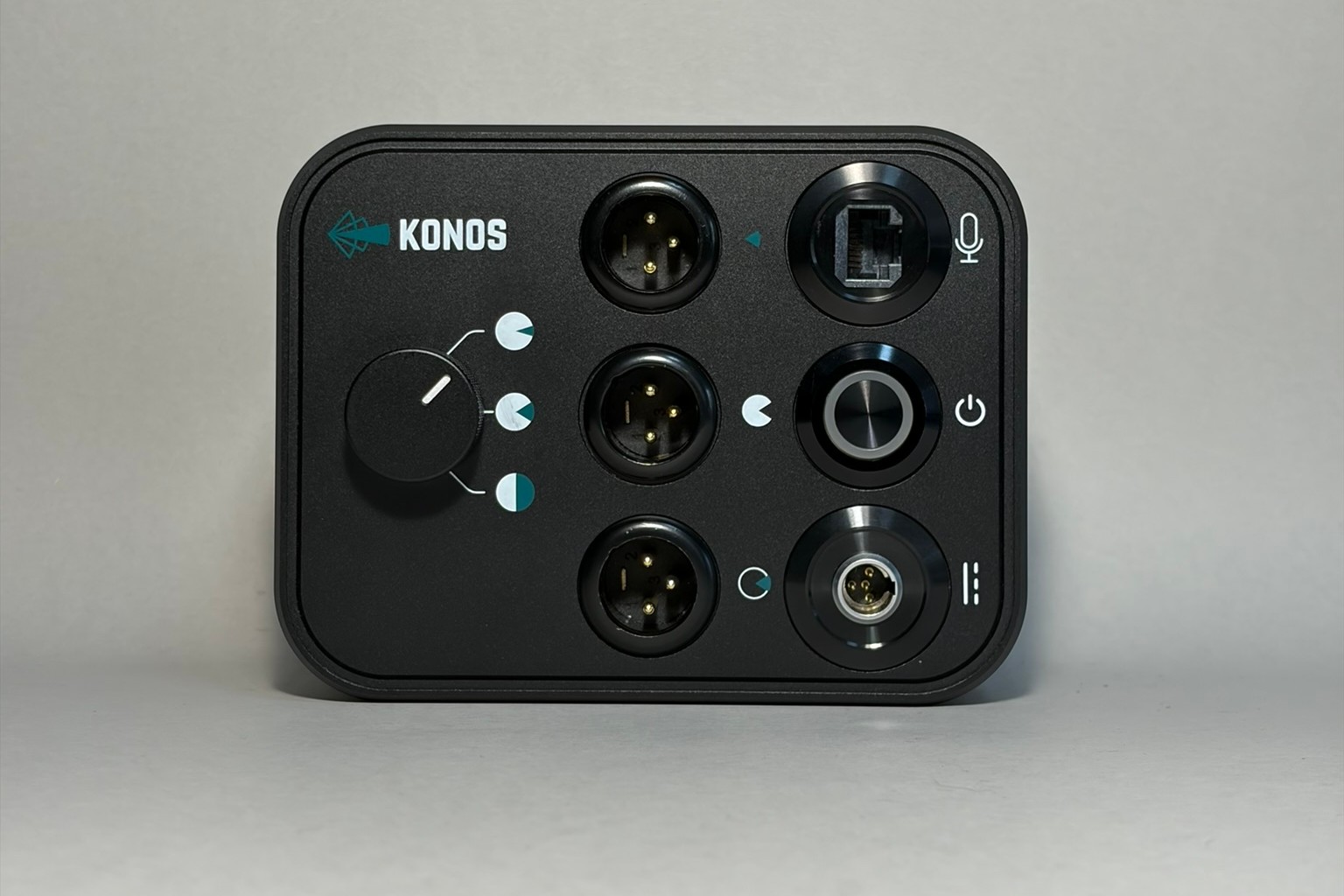
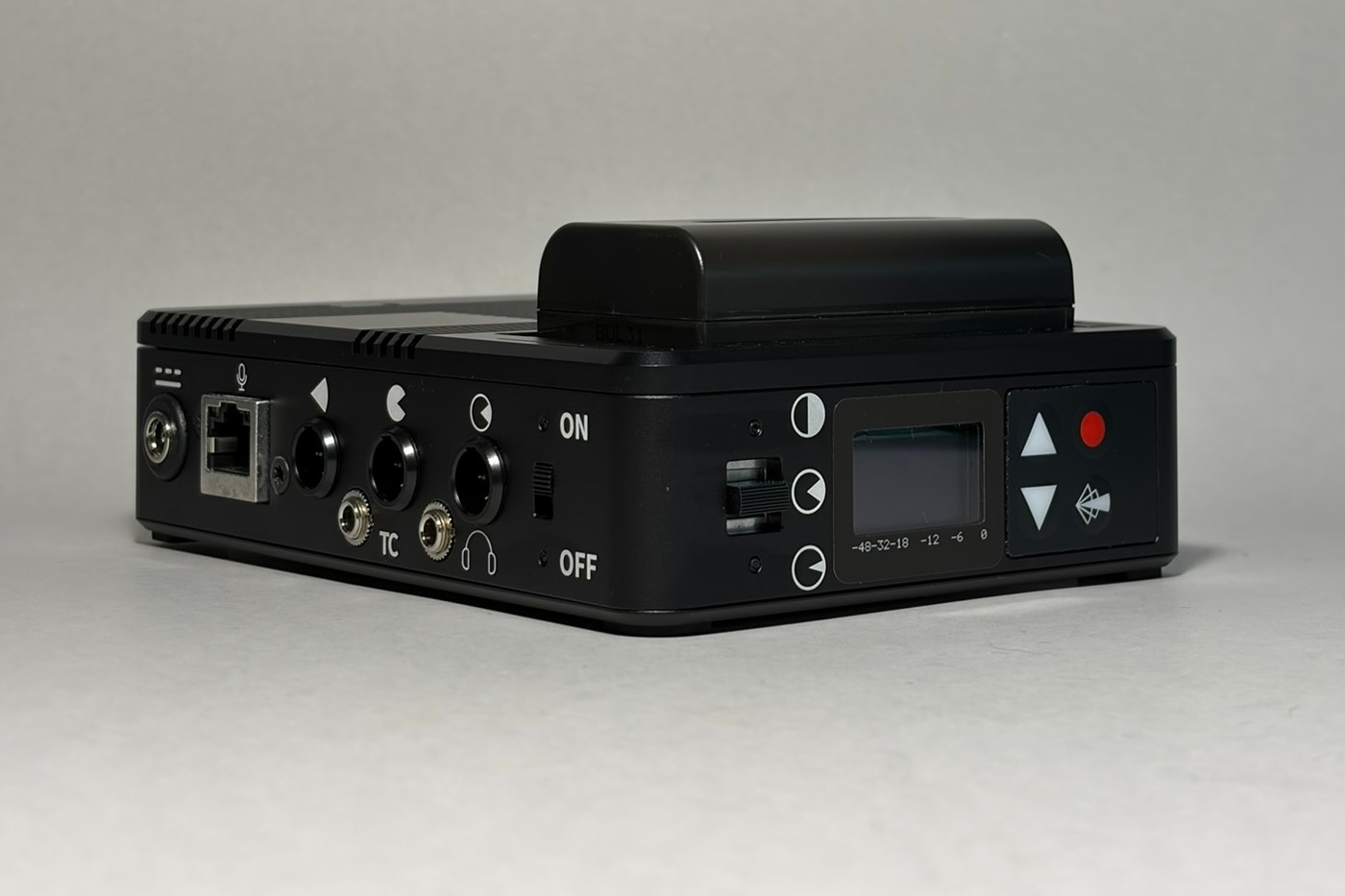
Early in 2020 the FPGA system-on-module in the control box went end-of-allocation, with a stock notice putting return of supply at August 2023: a three-and-a-half-year lead time on a part the product depended on. We moved to a different module. Partway through building PPU30, our thirty-unit pre-production batch, the FPGA inside the microphone itself went the same way. We finished the batch on parts secured through alternative channels while migrating to a new FPGA vendor entirely.
PPU30 was never going to be the product. Its job was to put thirty real units in front of real customers and collect feedback, which is what shaped Konos 1. That was the point at which we engaged Blender Design for industrial design assistance; I owned supplier management, assembly and test.
Customer feedback on Konos 1 was clear about what the barrier was. To record or to listen on headphones you needed a separate recorder, and the system needed an external power supply on top of it, so a two-box product arrived on location as a four-box one.
Konos 2 moved both jobs into the control box. It takes a clip-on battery, records to an SD card, and drives headphones directly, with volume on the keypad. That is where the OLED and the custom membrane keypads come from, and it made me the sole mechanical design engineer on the product.
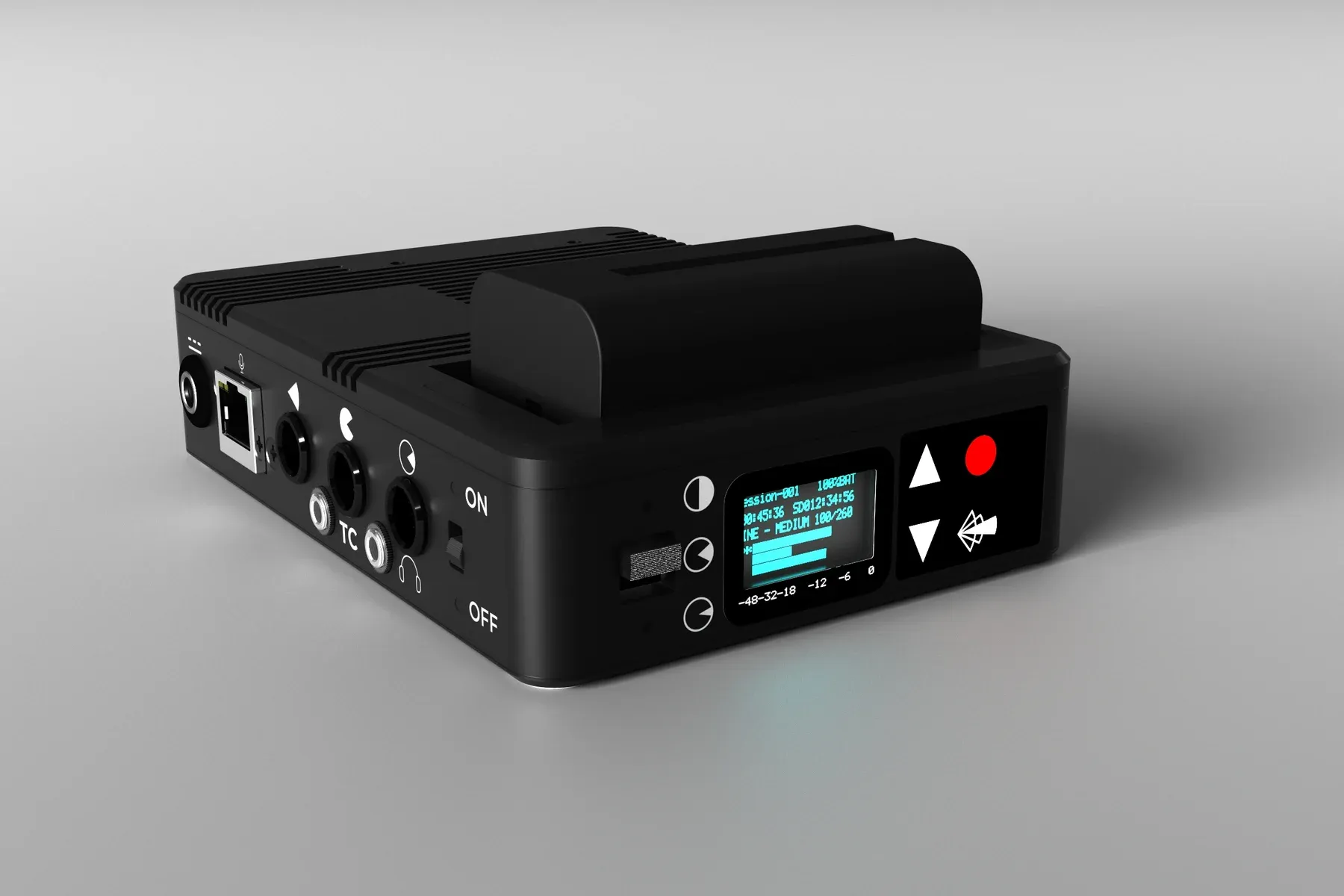
Konos Control is the same move made in software. Every setting on the system had to be reached by walking a 0.96-inch OLED with a keypad, so the app puts configuration on the phone the operator is already carrying and leaves the display as a status readout rather than a menu. Time and date sync is the clearest case: the phone already knows both, so an entry made a character at a time becomes a tap.
The app also carries updates to the unit. Builds sit in an S3 bucket behind a Lambda, and the app writes the current one to the hardware over the USB-C port on the back. A Konos in the field is not frozen at the version it shipped with, and a fix does not have to mean a return.
It is one Kotlin Multiplatform codebase across Windows, macOS, iOS and Android. iOS is the exception on updates: the platform will not give an app the serial access the USB-C path needs, so on iPhone it configures but cannot flash. A laptop or an Android phone does the job standing next to the unit.
Outcome
Konos ships to entertainment and government customers. It has taken NAB Show Product of the Year, a Best Design Awards Gold, Good Design Australia, and an Engineering New Zealand Innovation Award.
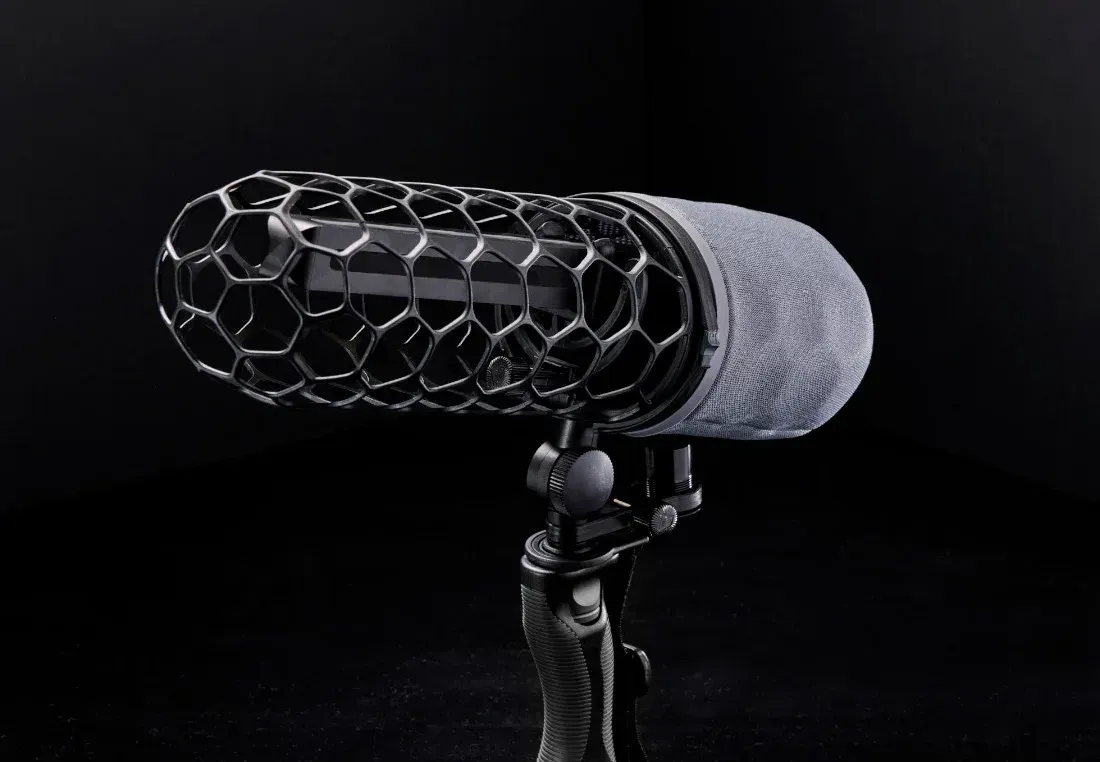
Konos 2 is the generation where the system stopped needing anything it did not carry. The microphone and its control box still travel together. The recorder and the power supply do not travel at all.
Konos Digital is the next product. See more at konos-sound.com.
More work
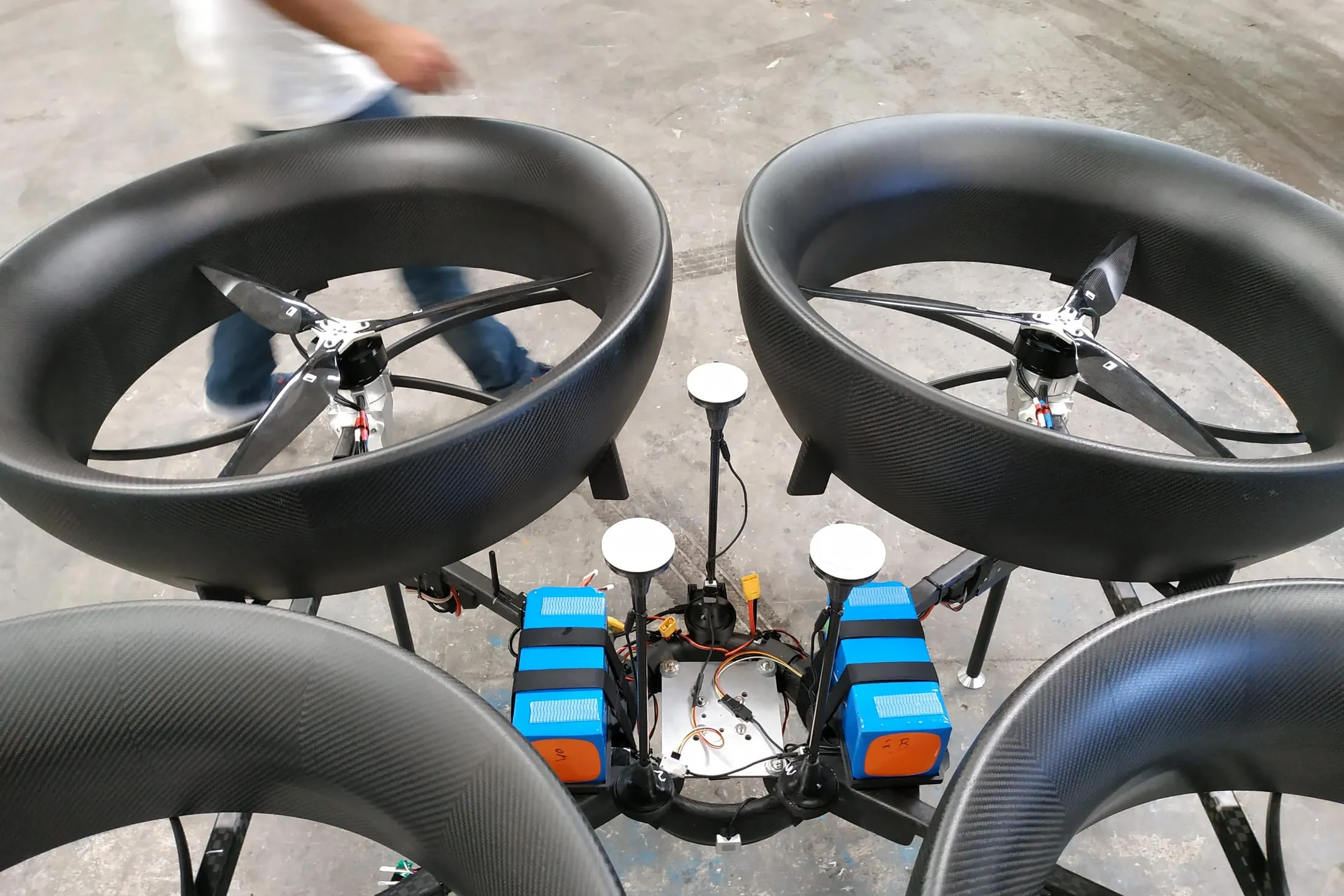 03Parametric blade tooling: closing the loop between optimiser and manufactureA parametric tool taking optimiser output directly to manufacturable geometry, and measured parts back to parameters.Read case study →2020Delivered · used in production design work
Contact
Auckland, New Zealand · NZ citizen with Australian work rights